


Background
New intravitreal medications can offer longer treatment duration by using higher drug concentrations, which, in turn, increase viscosity. There is also a trend toward having smaller-gauge cannulas, which require a higher injection force. While the ophthalmologist cannot control viscosity, the choice of syringe may affect the force needed to administer the drug. This study compared two standard 1-ml syringes (BD Plastipak™ and Braun Injekt®-F) with a syringe featuring a reduced plunger diameter (Zero Residual™ 0·2 mL silicone oil-free syringe) for injecting a variety of fluids with viscosity that mimics commonly used intravitreal formulations.
Methods
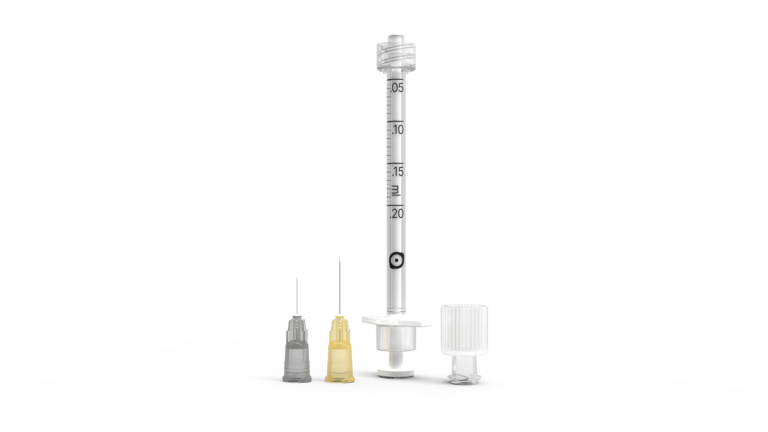
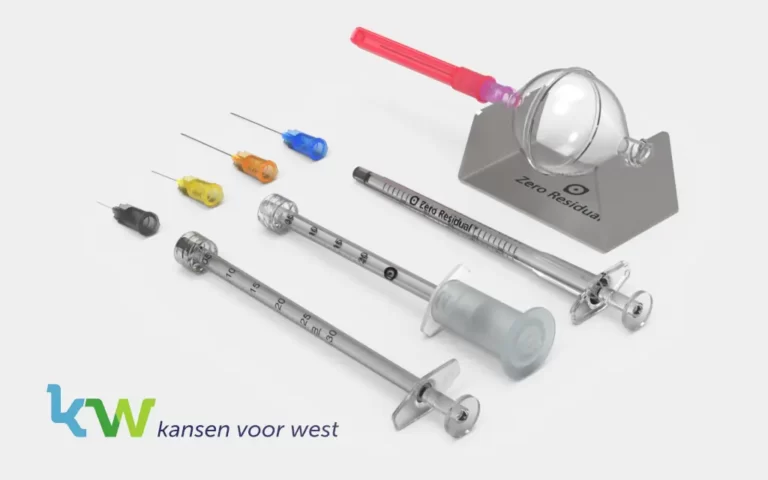
Injection force over time was measured for each combination of the three syringes, four fluids, and two cannulas (30 G and 33 G), and the results were compared using a two-way ANOVA, followed by Tukey’s post-hoc test. Plungers of the 1ml syringes had a diameter of approximately 4.70mm, while the smaller syringe had a plunger diameter of 2.48mm. Of the 1ml syringes, one was silicone oil lubricated (BD Plastipak™). The tested fluids were chosen to simulate bevacizumab (Balanced Salt Solution), pegcetacoplan (13.8 mg/0.1 ml of PEG-40,000), a high-viscosity solution (40 mg/0.1 ml of PEG-400), and a very high-viscosity solution (Tween 80 diluted with BSS).
Results
The Zero Residual syringe required significantly lower injection forces, as quantified by both the area under the curve (AUC) and peak force. These effects became more pronounced when using smaller-diameter cannulas and increasingly viscous fluids. The BD Plastipak needed lower forces than the Braun Injekt-F.
Conclusions
While silicone-oil lubrication reduced injection force, its effect was modest compared with that of plunger diameter, which was the primary determinant of the injection force required for a given viscosity and cannula diameter.